Intelligence
How to Get Into the Intelligence Community: Career Paths and Clearances
Learn how to break into the U.S. Intelligence Community. Career paths, security clearances, in-demand skills, and insider tips for IC jobs.
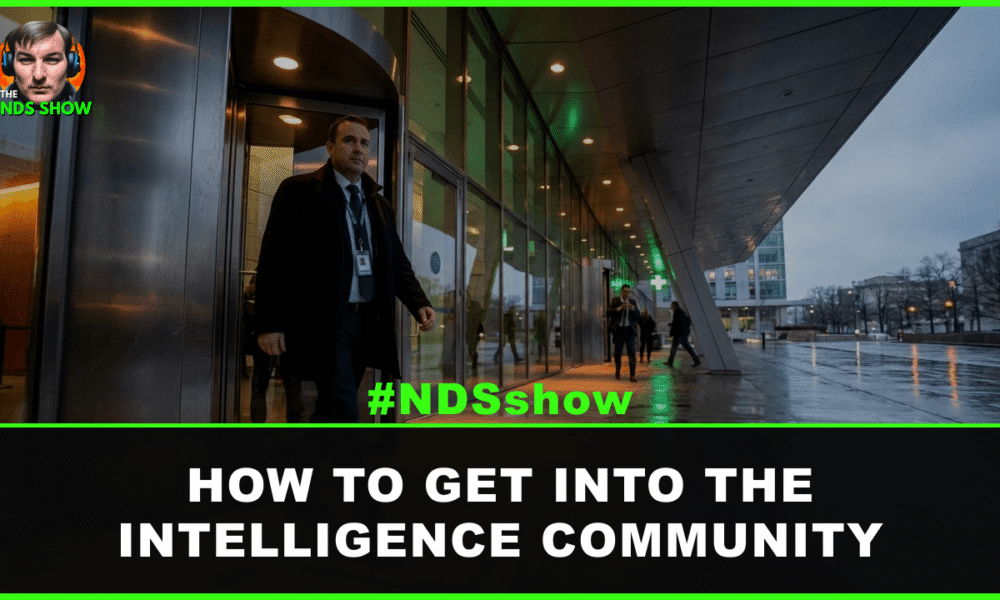
So you want to work in the intelligence community. Maybe you’ve watched too many spy movies, or maybe you genuinely want to protect national security. Either way, breaking into the IC is one of the most rewarding career moves you can make. It’s also one of the most confusing processes to navigate if nobody’s walked you through it.
The U.S. Intelligence Community includes 18 agencies, from the CIA and NSA to lesser-known organizations like the National Geospatial-Intelligence Agency (NGA) and the Defense Intelligence Agency (DIA). Each has its own mission, culture, and hiring pipeline. Here’s what you actually need to know to get your foot in the door.
The Three Main Entry Paths
Most people enter the IC through one of three routes: military service, direct civilian hire, or the contractor pipeline.
Military service is still the most common on-ramp. If you serve in an intelligence-related MOS (Military Occupational Specialty), you’ll leave with a clearance, relevant experience, and a network of contacts already inside the IC. Army 35-series, Navy CTN/CTI, and Air Force 1N roles are all pipelines that feed directly into civilian IC positions.
Direct civilian hire is absolutely possible, but competitive. Agencies like the CIA, NSA, and NGA recruit directly from college campuses. They’re looking for specific skill sets: foreign languages, data science, cybersecurity, engineering, and regional expertise. A bachelor’s degree is typically the minimum, and a master’s degree helps for analyst roles.
Th e contractor route is how a huge number of people end up in the IC. Companies like Booz Allen Hamilton, Leidos, SAIC, and ManTech hire cleared professionals to work alongside government employees. Many people start as contractors, build their experience and network, then convert to government positions. It’s a legitimate and well-worn path.
Security Clearances: The Price of Admission
You can’t work in the IC without a security clearance. Period. Most IC positions require either a Top Secret (TS) or Top Secret/Sensitive Compartmented Information (TS/SCI) clearance.
The clearance process involves a deep background investigation. Investigators will talk to your neighbors, former employers, college roommates, and anyone else who can vouch for your character. They’re looking at your financial history, foreign contacts, drug use, and criminal record. We put together a complete guide to the security clearance process if you want the full breakdown.
Here’s the honest truth about timelines: expect the process to take anywhere from 6 to 18 months. Some agencies are faster than others, and the backlog fluctuates. If you’re applying to the CIA, you might wait over a year before you hear back. That’s normal. Don’t panic, and don’t call them to check on your application every week.
What Each Agency Actually Looks For
Every IC agency has a slightly different focus, and knowing what they value can help you target your applications.
The CIA recruits heavily for human intelligence (HUMINT) officers, analysts, and technical specialists. Language skills are a huge differentiator, especially in Mandarin, Arabic, Farsi, Russian, and Korean. The NSA is laser-focused on signals intelligence and cybersecurity. If you have a background in computer science, mathematics, or electrical engineering, NSA should be on your radar.The NGA specializes in geospatial intelligence (GEOINT). They want people with GIS expertise, remote sensing skills, and data science chops. The DIA handles defense-related intelligence analysis and recruits broadly for all-source analysts. And the FBI has its own intelligence branch focused on counterintelligence and counterterrorism within U.S. borders.
Across all agencies, some skills are consistently in demand: foreign languages, STEM backgrounds (especially cybersecurity, data science, and AI/ML), writing ability, and critical thinking. Don’t underestimate the value of strong writing skills. Intelligence work produces reports, and those reports need to be clear and actionable.
What Nobody Tells You
There are several things about IC careers that rarely show up in the recruiting brochures.
The polygraph is real. Many IC agencies require a polygraph examination as part of the clearance process. The CIA and NSA use full-scope polygraphs that cover both counterintelligence and lifestyle questions. It’s uncomfortable, and some perfectly honest people struggle with it. You can’t really prepare for it other than telling the trut h and staying calm.
Lifestyle reviews go deep. Investigators aren’t just checking for criminal activity. They want to understand your financial health, your foreign contacts and travel, your social media presence, and your overall judgment. That doesn’t mean you need a spotless record, but you need to be honest about everything. Trying to hide something is far worse than the thing itself.
The wait can be brutal. Between applying, getting interviewed, passing the polygraph, and completing the background investigation, the total timeline from first application to first day on the job can easily stretch past a year. Some people apply to multiple agencies simultaneously to improve their odds.
Counterintelligence concerns are taken seriously. If you have significant foreign contacts, foreign-born family members, or extensive foreign travel, it doesn’t automatically disqualify you. But it will get additional scrutiny. Again, honesty is your best strategy.
You can’t talk about your work. This sounds obvious, but it hits differently when you’re actually living it. You’ll do interesting, meaningful work that you can’t discuss with friends or family. Some people thrive with that arrangement. Others find it isolating. Know yourself before you commit.
Internships and Student Programs
If you’re still in school, internship programs are by far the best way to get into the IC. Several agencies run robust student programs:
The CIA Undergraduate Int ernship Program places students in analyst, technical, and operational roles during the summer. It’s competitive, but graduates of the program have a significant hiring advantage. The NSA runs co-op and internship programs for STEM students, and the NGA has both summer internships and a scholarship-for-service program.
The Intelligence Community Centers for Academic Excellence (IC CAE) program partners with universities across the country to develop IC-ready talent. If your school is part of this program, take advantage of it. The IC also participates in the CyberCorps Scholarship for Service program, which pays for your degree in exchange for government service afterward.
Networking matters more than you might think. Attend intelligence-related conferences, join professional organizations like INSA or AFCEA, and connect with IC professionals on LinkedIn. Many positions are filled through referrals, and having someone on the inside who can vouch for you makes a real difference.
Key Takeaways
- Three main paths in: military service, direct civilian hire, or the contractor pipeline. All three are legitimate routes into IC careers.
- Clearances take time: Budget 6-18 months for the security clearance process, and be completely honest on your SF-86. Check our complete clearance guide for details.
- Skills that open doors: Foreign languages, cybersecurity, data science, GIS, and strong analytical writing are consistently in demand across IC age ncies.
- Start early if you can: Internship and co-op programs at CIA, NSA, and NGA give students a massive hiring advantage and often lead directly to full-time offers.
Watch the Full Episode
For more on the intelligence community and how it works, check out this episode of The NDS Show:

🎙️ Don’t Miss an Episode of The NDS Show
Stay informed on national defense, intelligence, and geospatial topics. Subscribe to The NDS Show on YouTube for in-depth interviews and analysis.