Military
Marco Rubio’s Munich Speech: ‘We Belong Together’
Marco Rubio called Europe and America ‘one civilization’ at the Munich Security Conference, urging stronger defense ties and Western renewal.
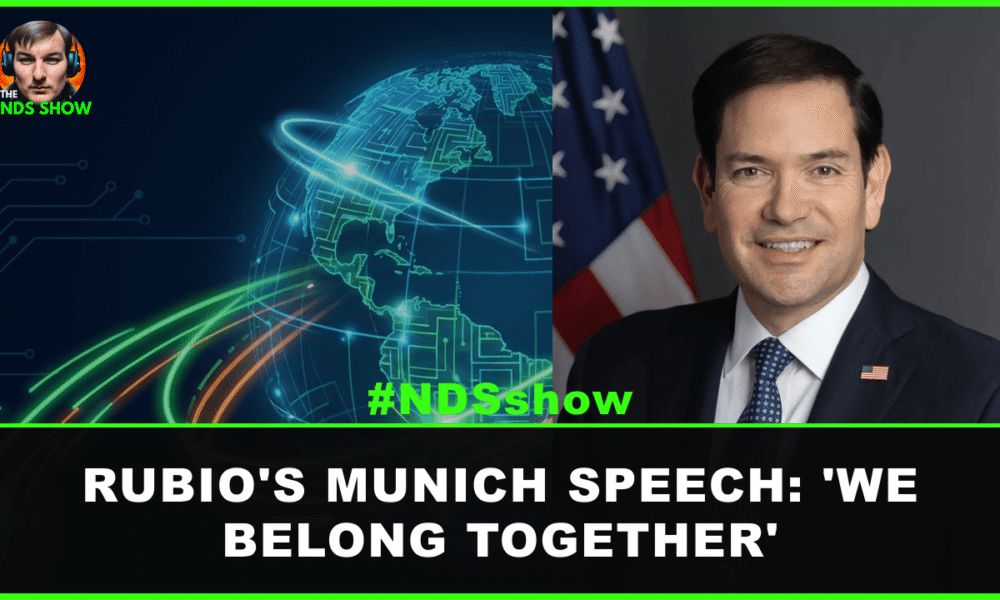
Secretary of State Marco Rubio delivered a keynote address at the Munich Security Conference on February 14, 2026, and the reaction from European leaders was something few expected: a standing ovation. In a diplomatic season marked by tension between Washington and its transatlantic allies, Rubio struck a notably different chord, calling Europe and America part of “one civilization” and declaring flatly that “we belong together.”
The speech is already being called a turning point for U.S.-European relations under the Trump administration. Here’s what he said, how it landed, and what it might mean going forward.
What Marco Rubio Actually Said in Munich
Rubio opened by connecting the conference to its Cold War origins, noting that when the Munich Security Conference first convened in 1963, “Soviet communism was on the march” and “thousands of years of Western civilization hung in the balance.” That framing set the tone for the entire address: this wasn’t about trade disputes or NATO budget spreadsheets. It was a broader argument about shared identity.
He leaned heavily into cultural and historical bonds between the United States and Europe. He pointed to shared Christian faith, Enlightenment traditions, and what he described as a common commitment to individual liberty and democratic governance. “We are not just allies of convenience,” he said. “We are one civilization, Western civilization, and we belong together.”
That language stood out because it represented a clear departure from the more confrontational tone that has characterized much of the Trump administration’s engagement with European partners. Last year’s Munich conference featured Vice President JD Vance delivering a speech that many European officials found abrasive. Rubio’s approach was deliberately warmer.
The Tough Love: Europe Needs to Step Up
But it wasn’t all hugs and handshakes. Rubio also delivered some pointed criticism of post-Cold War European policy decisions. He argued that after the fall of the Soviet Union, too many Western nations fell into complacency. He cited deindustrialization, outsourced sovereignty, mass migration without integration, and climate policies that he said undermined energy independence.
His core message on defense spending was familiar but forcefully stated: European nations need to invest more in their own military capabilities and rebuild industrial capacity. The United States, he said, “prefers to work with Europe” but is “prepared to do this alone if necessary.”
This isn’t a new argument. NATO allies have debated burden-sharing for decades. But Rubio framed it less as a threat and more as a genuine concern for the alliance’s long-term health. The implication was clear: a stronger Europe makes for a stronger partnership.
How European Leaders Responded
The reception was overwhelmingly positive, at least in the room. Rubio received a standing ovation from the assembled defense officials, diplomats, and policymakers.
European Commission President Ursula von der Leyen said she was “very much reassured” by the speech. UK Prime Minister Keir Starmer echoed Rubio’s call for European self-reliance, saying the continent should move “from overdependence to interdependence.” Connecticut Congressman Jim Himes, who attended the conference, told reporters the speech “changed the weather” at Munich.
That’s significant context. The Munich Security Conference has become a barometer for the transatlantic relationship, and the mood going into this year’s event was cautious at best. Rubio’s address seems to have lowered the temperature considerably.
Why This Speech Matters for National Security
For anyone who works in or follows the defense and intelligence community, this speech is worth paying attention to for a few reasons.
First, it signals that the Trump administration hasn’t given up on the transatlantic alliance, even as it pushes for significant reforms. The “we belong together” language isn’t something you say when you’re planning to walk away from NATO.
Second, the emphasis on rebuilding industrial capacity aligns with broader defense modernization conversations happening in both the U.S. and Europe. Supply chain resilience, domestic manufacturing of defense systems, and reducing dependence on adversarial nations for critical materials are all live issues in the Pentagon and European defense ministries alike.
Third, the call for Europe to take more ownership of its own defense creates opportunities for deeper cooperation on specific capabilities, from intelligence sharing to joint development programs. A Europe that spends more on defense isn’t necessarily competing with the U.S.; it could be a more capable partner.
Of course, not everyone sees it that way. Critics have pointed out that the warm rhetoric needs to be matched by consistent policy. Some European analysts noted that previous speeches from Trump administration officials struck a very different tone, and one address in Munich doesn’t erase months of diplomatic friction. Others questioned whether the call for increased defense spending is realistic given the economic pressures many European governments face.
Key Takeaways
- Marco Rubio called the U.S. and Europe “one civilization” and said “we belong together,” marking a noticeably warmer tone toward European allies.
- He criticized post-Cold War complacency in areas like deindustrialization, energy policy, and defense spending, urging Europe to rebuild military and industrial capacity.
- The U.S. prefers partnership but will act alone if needed, according to Rubio, reinforcing long-standing burden-sharing arguments with new urgency.
- European leaders responded positively. Von der Leyen called it reassuring; Starmer endorsed the shift toward interdependence; and attendees gave a standing ovation.
- The speech may reset the tone of U.S.-European relations after a tense period, though follow-through on policy will determine whether the goodwill lasts.
Watch The NDS Show
For more on transatlantic defense policy, geopolitical developments, and national security topics, check out The NDS Show on YouTube. Nick Smith regularly sits down with military veterans, intelligence professionals, and defense industry leaders to break down the stories that matter.
A recent episode covers how AI is being used to predict geopolitical unrest, which ties directly into the kind of strategic foresight Rubio was advocating for in Munich:

Sources
🎙️ Subscribe to The NDS Show
Your go-to source for national defense, intelligence, and security insights.
Subscribe on YouTubeAlso on Apple Podcasts, Spotify & more