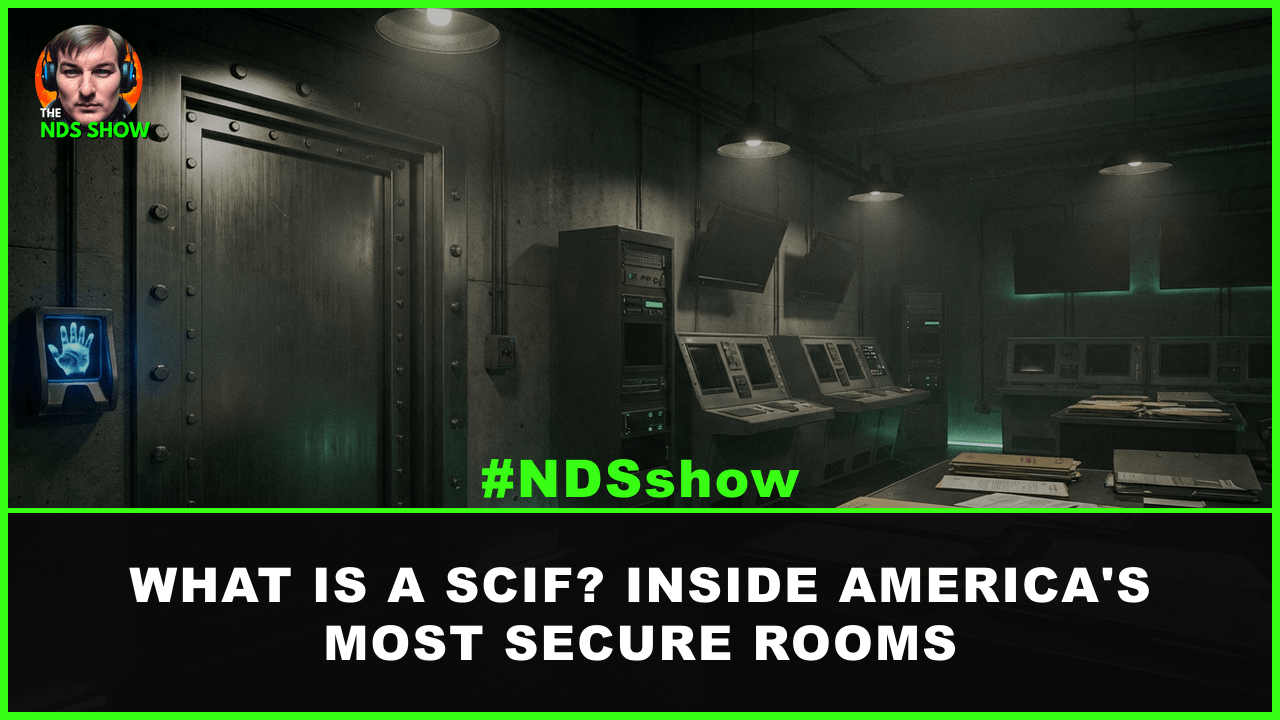
What Is a SCIF? Inside the Most Secure Rooms in America
A SCIF is a specially hardened room where America’s most sensitive intelligence gets discussed. Here’s exactly how they work, what happens inside, and why they matter.
If you’ve ever watched a congressional hearing where lawmakers say they “can’t discuss that in this setting,” they’re almost certainly talking about a SCIF. Pronounced like the small, fast-moving fish, a SCIF — Sensitive Compartmented Information Facility — is one of the most carefully engineered spaces in the U.S. government. And yet, most people have no idea what one actually is.
You’ve probably heard the term pop up in news stories about leaked classified documents, congressional intelligence briefings, or debates over whether certain officials handled sensitive information properly. But what exactly is a SCIF, what happens inside one, and why are they such a big deal? Let’s walk through it.
The Basic Definition
A Sensitive Compartmented Information Facility (SCIF) is an accredited, specially hardened room, suite of rooms, or even an entire building designed to securely store, process, and discuss Sensitive Compartmented Information — SCI for short.
SCI is a tier of classified information above Top Secret. It’s broken into “compartments,” meaning analysts and officers only see the portions they’re cleared for, even if two people both hold Top Secret clearances. The SCIF is where that information lives, gets discussed, and gets analyzed.
The National Intelligence Community defines SCIFs through a key policy document — Intelligence Community Directive (ICD) 705 — which sets the technical and physical standards every SCIF must meet. These aren’t suggestions. They’re enforced requirements.
What Makes a Room a SCIF?
Building a SCIF isn’t like building an ordinary conference room with a lock on the door. It requires meeting an exhaustive list of physical, technical, and administrative security requirements. A few of the most important ones:
Soundproofing: Walls, floors, and ceilings must prevent sound from leaking out. Conversations inside cannot be heard — or recorded — from outside.
RF and electromagnetic shielding: SCIFs are designed to prevent electronic emissions from escaping. This stops foreign intelligence services from picking up signals from the computers and communications equipment inside.
Access control: Entry is strictly limited. Combination locks, biometrics, badge readers, mantrap entry systems — the exact setup varies, but unauthorized access must be essentially impossible.
No personal electronic devices: Phones, smartwatches, fitness trackers, laptops, and tablets are typically prohibited. These devices can act as unwanted microphones or transmitters.
Construction oversight: Even the building process itself is controlled. Workers with access to sensitive areas must be vetted, and the construction materials and methods are reviewed to prevent hidden surveillance devices from being built in.
Once construction is complete, the facility has to be formally inspected and accredited before anyone can use it to handle SCI. It’s not a one-time process either. SCIFs must be periodically recertified and can lose their accreditation if security standards slip.
Where Are SCIFs Located?
SCIFs are more common than most people realize. They exist in:
U.S. Embassies: Almost every American embassy overseas has a SCIF where diplomats and intelligence officers can hold sensitive conversations without fear of host-nation surveillance.
The U.S. Capitol: Congress has a dedicated SCIF where members receive classified briefings on national security matters. This is why you’ll sometimes hear a Senator say, “I’ve been briefed on that, but I can’t discuss it here.”
Military installations: Intelligence units on bases around the world operate out of SCIFs, especially those processing imagery, signals, or human intelligence.
Defense contractors: Private companies working on sensitive government programs often build and maintain their own SCIFs on-site, approved by the government.
The White House and agencies: The Situation Room is probably the most famous example — a purpose-built secure facility where the president and senior advisors can discuss and respond to national security threats in real time.
There are even mobile and temporary SCIFs — hardened containers or trailers that can be deployed to forward operating locations, giving commanders access to classified intelligence in the field.
What Actually Happens Inside a SCIF?
Day-to-day SCIF life is a lot less dramatic than Hollywood makes it look. For the analysts, officers, and officials who work in them, it’s just… work. Reviewing intelligence reports. Running analysis. Attending briefings. Making calls on secure communications systems.
What’s different is the environment. You leave your phone at the door — often in a lockbox or locker outside. You badge in. You work on computer systems that are either air-gapped (not connected to the internet) or connected only to classified networks. Documents don’t leave the room without proper authorization, and when they’re no longer needed, they’re destroyed according to strict procedures.
Even the conversations are disciplined. People are trained to discuss only what others in the room are cleared to hear — a concept called “need to know.” Being cleared for SCI doesn’t automatically mean you can see everything. Your access is scoped to your specific job and mission.
Why SCIFs Matter — And Why They’ve Been in the News
SCIFs exist because the stakes of a leak are enormous. Sensitive Compartmented Information often includes intelligence collection methods, source identities, and operational details. If that information gets out — whether through a breach, a careless conversation, or an unsecured device — the consequences can range from burned sources to compromised operations to loss of life.
That’s why the handling of classified documents outside of proper SCIF environments has become such a politically charged topic in recent years. The specific concerns raised in high-profile cases — whether documents were stored in approved facilities, whether proper destruction procedures were followed — all come back to these same SCIF standards.
It’s also why the Intelligence Community takes SCIF violations so seriously. Even unintentional breaches can be career-ending, depending on the circumstances.
Key Takeaways
A SCIF is a specially certified and accredited space designed to protect Sensitive Compartmented Information (SCI) — a tier above Top Secret — from unauthorized access, surveillance, or interception.
SCIFs must meet strict physical and technical standards (ICD 705) including soundproofing, electromagnetic shielding, and no-electronic-device policies.
They exist everywhere from U.S. embassies and military bases to contractor facilities, the Capitol, and the White House Situation Room.
The rules exist because leaking SCI-level intelligence can compromise collection sources, operational security, and lives — making SCIF standards one of the most critical elements of national security.
Watch the Full Episode
For a deeper dive into how the Intelligence Community operates, check out this episode of The NDS Show:
🎙️ Don’t Miss an Episode of The NDS Show
Stay informed on national defense, intelligence, and geospatial topics. Subscribe to The NDS Show on YouTube for in-depth interviews and analysis.