
Tech
Operation Windlord: Pentagon Airlifts Nuclear Reactor in Historic C-17 Mission
The Pentagon airlifted a nuclear microreactor on a C-17 for the first time ever. Here’s why Operation Windlord matters for military energy.
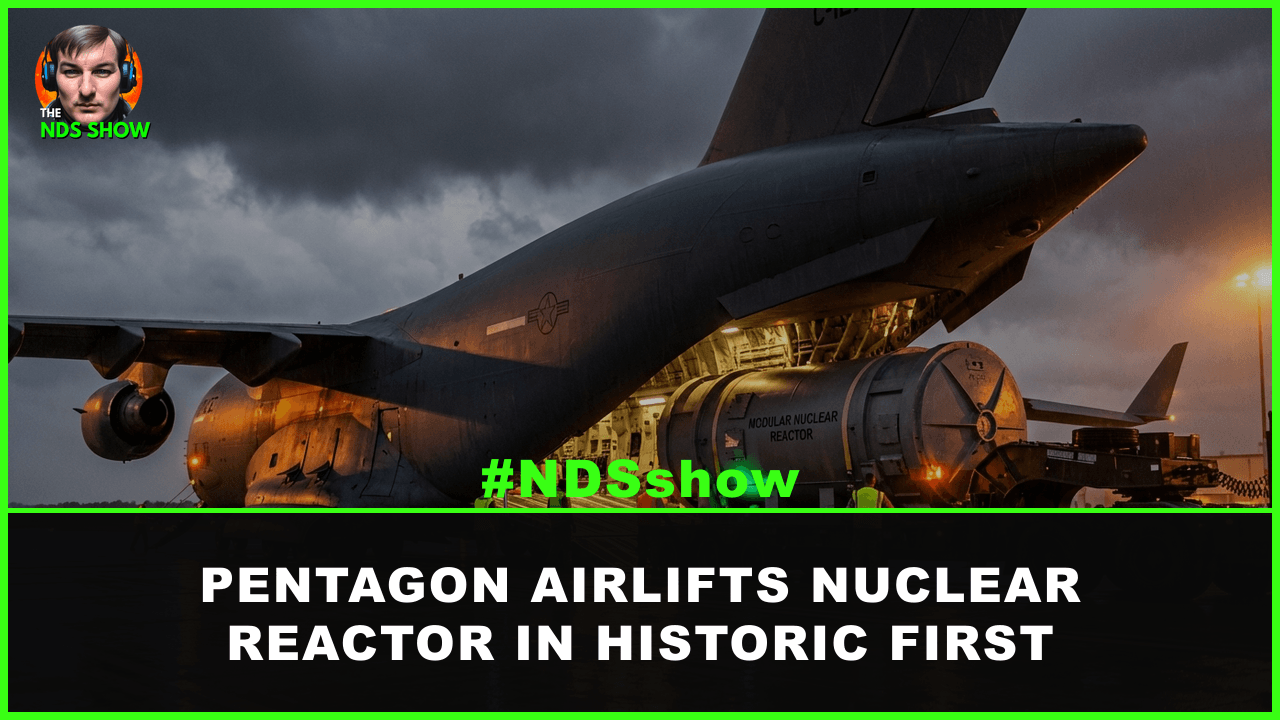
The U.S. military just did something that’s never been done before: it loaded a nuclear reactor onto a cargo plane and flew it across state lines. On Sunday, February 15, three C-17 Globemaster III aircraft carried the eight modules of Valar Atomics’ Ward 250 microreactor from March Air Reserve Base in California to Hill Air Force Base in Utah. The operation, dubbed “Operation Windlord,” marks the first time a nuclear reactor has ever been transported by military airlift.
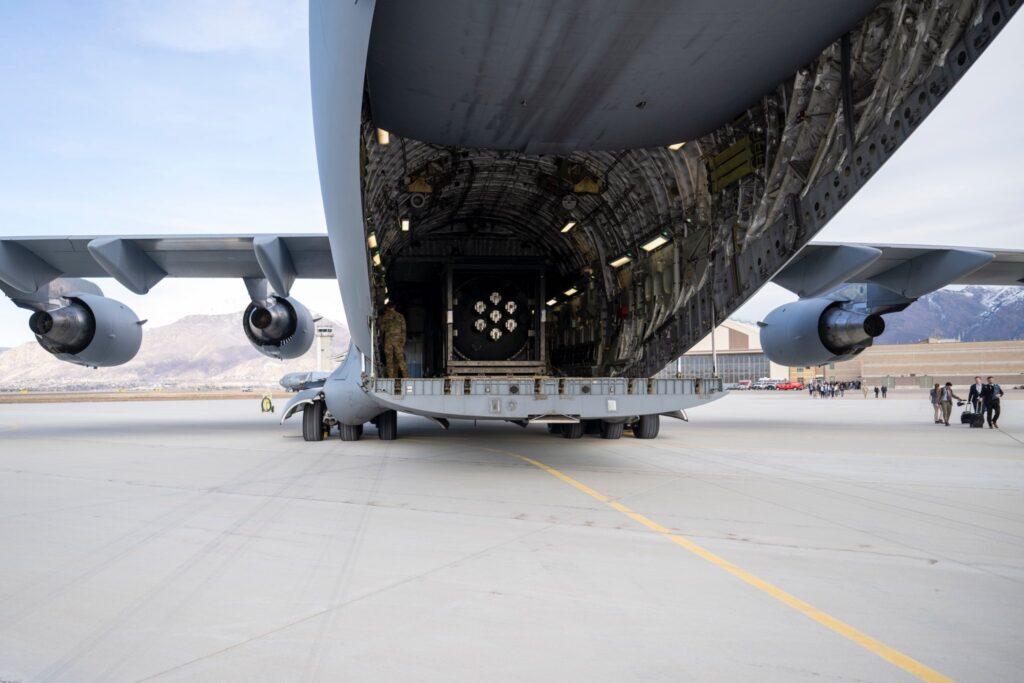
And if you’re thinking this sounds like the opening scene of a techno-thriller, you’re not wrong. Energy Secretary Chris Wright and Under Secretary of Defense for Acquisition and Sustainment Michael Duffey were actually on the flight with the reactor. That’s some serious confidence in your hardware.
What Is the Ward 250 Microreactor?
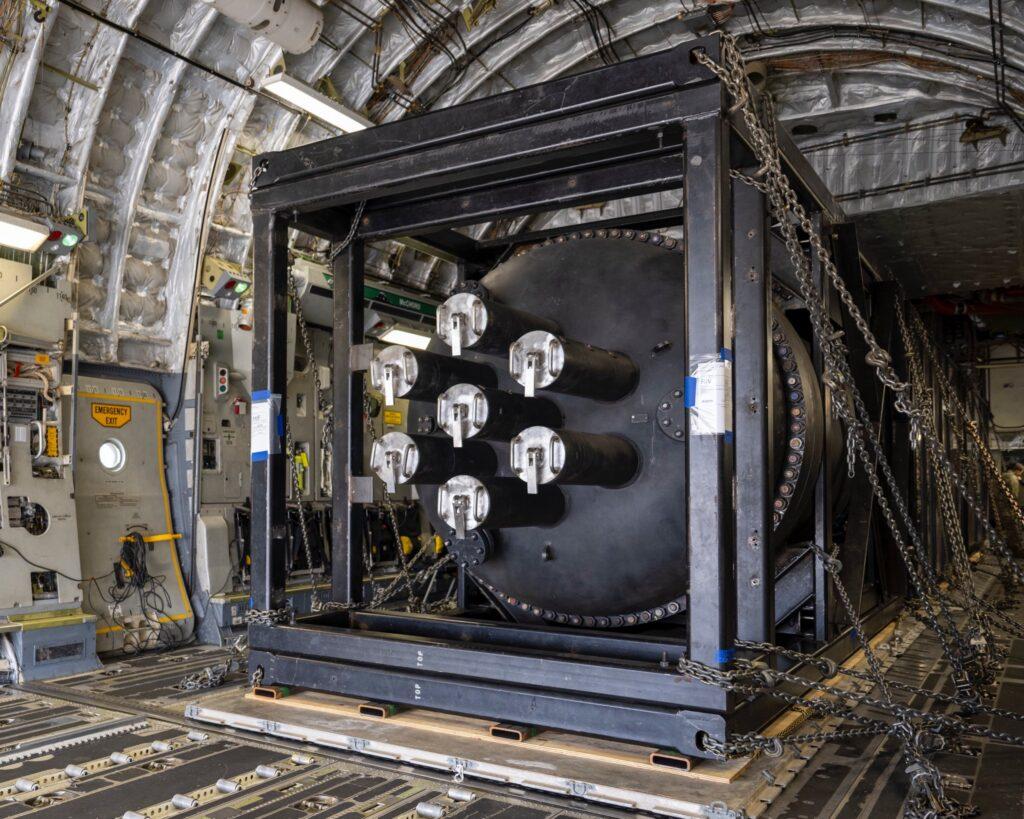
The Ward 250, built by California-based Valar Atomics, is a compact modular nuclear reactor designed to be transported rapidly anywhere in the world. When fully operational, it can generate up to 5 megawatts of electricity, enough to power roughly 5,000 homes. The reactor itself is about the size of a minivan, though the full system includes eight modules that were spread across three C-17s for this initial transport.
The reactor was flown without nuclear fuel for this test, which focused on proving the logistics of rapid transport. It’s now headed to the Utah San Rafael Energy Lab for evaluation and validation trials. According to Valar CEO Isaiah Taylor, the plan is to begin operating at 100 kilowatts in July, scale to 250 kilowatts later this year, and eventually reach full 5 MW capacity.
Why the Military Needs Mobile Nuclear Power
Here’s the reality that defense planners are grappling with: future military operations are going to be incredibly energy-hungry. We’re talking about AI-driven computing systems, directed-energy weapons, space-based platforms, and massive cyber infrastructure. All of that demands reliable, consistent power that you can’t get from a diesel generator sitting at the end of a long, vulnerable supply chain.
“This gets us closer to deploy nuclear power when and where it is needed to give our nation’s warfighters the tools to win in battle,” said Under Secretary Duffey during the operation. That’s not just rhetoric. The Department of Defense has been studying this problem for years, and the consensus is clear: energy independence at forward operating locations is a strategic necessity.
Think about a remote base in the Pacific or a rapid deployment scenario in a contested environment. Right now, keeping the lights on means regular fuel convoys or tanker flights, both of which create logistical vulnerabilities. A microreactor that you can fly in on a C-17 and have running within weeks fundamentally changes that equation.
The Bigger Picture: America’s Nuclear Renaissance
Operation Windlord doesn’t exist in a vacuum. It’s part of a broader push by the Trump administration to revitalize American nuclear energy. Last May, the President signed four executive orders aimed at boosting domestic nuclear deployment to meet growing demand for both national security and AI-related energy needs. The Energy Department also issued two grants in December to accelerate small modular reactor development.
Energy Secretary Wright has described this moment as the start of an “American nuclear renaissance,” and the ambition is striking. He told reporters the Energy Department plans to have three microreactors reach criticality (when a nuclear reaction sustains itself) by July 4, 2026. That’s a deliberately symbolic deadline, and it signals just how seriously the administration is taking this timeline.
It’s worth noting that Operation Windlord involves the Ward 250 from Valar Atomics, which is separate from Project Pele, the Pentagon’s other microreactor initiative being developed by BWXT at Idaho National Laboratory. Project Pele focuses on a different Generation IV reactor design in the 1-5 megawatt range. Having multiple programs running in parallel suggests the DoD is serious about not putting all its eggs in one basket.
Not Everyone Is Convinced
Of course, not everyone shares the enthusiasm. Edwin Lyman, director of nuclear power safety at the Union of Concerned Scientists, has pushed back on the economics. “There is no business case for microreactors, which, even if they work as designed, will produce electricity at a far higher cost than large nuclear reactors, not to mention renewables like wind or solar,” Lyman said.
He also raised concerns about radioactive waste, pointing out that even small reactors generate significant amounts of it. The Energy Department is currently in talks with several states, including Utah, about hosting sites for fuel reprocessing or permanent waste disposal, but that remains an unresolved challenge across the entire nuclear industry.
These are legitimate concerns that deserve attention as the technology matures. The cost question in particular will need real-world answers, not just projections. Valar Atomics hopes to start selling power on a test basis in 2027 and go fully commercial by 2028, which means we should have actual data on economics within a few years.
Key Takeaways
- Operation Windlord marks the first time a nuclear reactor has been airlifted by military aircraft, with three C-17s carrying Valar Atomics’ Ward 250 from California to Utah for testing.
- The Ward 250 can generate up to 5 MW of electricity (enough for 5,000 homes) and is designed for rapid deployment to military bases and remote locations.
- The DoD sees mobile nuclear as essential for future warfare, where AI systems, directed-energy weapons, and cyber infrastructure will demand far more power than diesel generators can reliably provide.
- Critics raise valid concerns about cost and waste, but the military application may justify the premium if it solves the energy resilience problem at forward operating locations.
Watch the Full Episode
For more on defense technology and how emerging capabilities are reshaping national security, check out this episode of The NDS Show:
🎙️ Don’t Miss an Episode of The NDS Show
Stay informed on national defense, intelligence, and geospatial topics. Subscribe to The NDS Show on YouTube for in-depth interviews and analysis.


